
When All Your Tests Are "Normal": Decoding Unexplained Infertility
Told your fertility test results are completely normal, but still not getting pregnant? Discover what unexplained infertility really means and the advanced diagnostic steps to uncover hidden root causes.
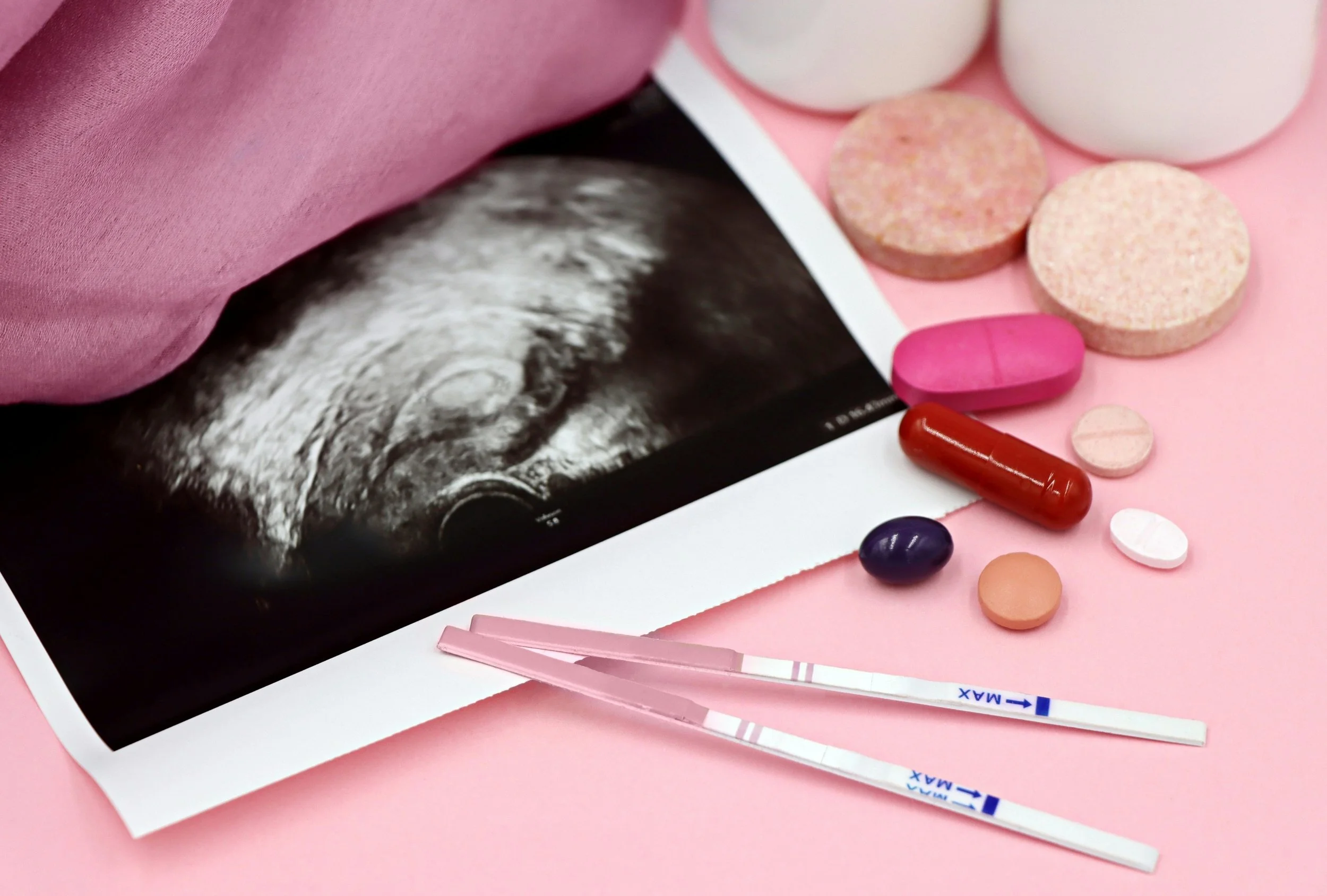
There are few diagnoses in modern medicine as confusing—and deeply frustrating—as unexplained infertility.
After months or years of trying to conceive, you undergo a battery of blood draws, ultrasounds, and fluid scans. You wait anxiously for the results, only to hear: "Everything looks completely normal."
While a clean bill of health sounds like good news on the surface, it often leaves couples feeling stuck in diagnostic limbo. If everything is fine, why aren't you getting pregnant?
The truth is that "unexplained infertility" is not a final answer; it is an incomplete diagnosis. Standard fertility workups evaluate only the basic mechanical structures of reproduction. When those basic tests come back normal, it simply means we need to look deeper into the sub-cellular, hormonal, and immunological factors that routine screening misses.
What Standard Fertility Testing Actually Measures (And What It Misses)
To understand why unexplained infertility occurs, it helps to look at what basic diagnostic panels actually test for:
Basic Bloodwork (AMH, FSH, Estradiol): Evaluates ovarian reserve (egg quantity), but tells us nothing about egg quality or chromosomal health.
Standard Semen Analysis: Checks sperm count, shape, and motility (packaging), but completely misses sperm DNA fragmentation (the genetic cargo).
Hysterosalpingogram (HSG): Confirms that your fallopian tubes are physically open (patent), but cannot measure whether the microscopic cilia inside the tubes are functioning to transport an egg.
Transvaginal Ultrasound: Checks uterine lining thickness and ovarian structure, but cannot detect microscopic inflammatory conditions like silent endometriosis or uterine dysbiosis.
In short, standard testing checks whether the basic anatomy and plumbing are present, but it does not check if the complex biological environment is optimal for conception.
5 Hidden Root Causes of "Unexplained" Infertility
When we look beyond standard screening, clinical research shows that the vast majority of "unexplained" cases stem from one or more of these subtle, underlying factors:
1. Silent Endometriosis
Endometriosis is often associated with painful periods, but up to 20–25% of individuals with endometriosis have no pain symptoms at all (silent endometriosis). Left undiagnosed, microscopic endometrial lesions release inflammatory cytokines into the pelvic fluid. This toxic inflammatory environment degrades egg quality, impairs tubal function, and creates a hostile environment for embryo implantation.
2. Sperm DNA Fragmentation
As covered in modern male fertility research, a partner can have millions of fast-swimming sperm while carrying high levels of fractured DNA inside the sperm head. Standard semen tests grade this as "normal," yet the genetic breaks prevent the embryo from developing past day 3 or cause early implantation failure.
3. Subclinical Immune & Autoimmune Factors
For pregnancy to occur, the maternal immune system must temporarily alter its behavior to accept an embryo carrying foreign DNA. Autoimmune markers (such as elevated thyroid antibodies, antinuclear antibodies, or overactive uterine Natural Killer cells) can cause the immune system to treat the embryo as a pathogen, preventing attachment.
4. Luteal Phase Defects & Progesterone Instability
Ovulation may occur on schedule, but if the corpus luteum does not produce sustained levels of progesterone during the 10 to 14 days following ovulation, the uterine lining matures out of sync. This causes the window of implantation to close prematurely before an embryo can attach.
5. Chronic Endometritis & Microbiome Imbalance
A low-grade, symptomless bacterial infection of the endometrial lining (chronic endometritis) triggers continuous localized inflammation. Coupled with a lack of protective Lactobacillus bacteria in the reproductive tract, this dysbiosis disrupts the delicate lining architecture required for pregnancy.
The Advanced Diagnostic Roadmap
Moving past unexplained infertility requires a deliberate, step-by-step investigation to systematically test each unexamined layer of reproduction:
Advanced Male Factor & Sperm Quality Screening:
Phase 1.
Expand beyond the standard semen analysis by ordering an SCSA or TUNEL assay to measure Sperm DNA Fragmentation Index (DFI). If high fragmentation is present, targeted antioxidant protocols or microfluidic sperm sorting (Zymōt) can be used during treatment.Endometrial Environment & Microbiome Biopsy:
Phase 2.
Perform an in-office endometrial biopsy (such as ERA, EMMA, and ALICE panels) to evaluate uterine bacterial health, screen for chronic endometritis, and map the precise molecular timing of your individual window of implantation.Inflammatory & Immune Profiling:
Phase 3.
Screen for non-invasive markers of silent endometriosis (such as the ReceptivaDX test) alongside full thyroid antibody panels and reproductive immunology markers. Treating localized pelvic inflammation prior to natural conception or embryo transfer dramatically restores success rates.
Taking Back Control of Your Fertility Journey
An "unexplained" label can feel disempowering, but it is actually an invitation to look deeper. By systematically evaluating cellular energy, genetic integrity, and internal immune balance, we move away from guesswork and build a precise diagnostic plan tailored to your unique biology.
If you are ready to find real answers behind your fertility numbers, contact our specialized medical team to schedule an advanced diagnostic consultation today.
FAQs
-
Unexplained infertility accounts for approximately 15% to 30% of all subfertility diagnoses. However, reproductive endocrinologists widely recognize that "unexplained" simply means the cause has not yet been identified by standard first-tier diagnostic panels.
-
Silent endometriosis is endometriosis that presents without severe menstrual pain or pelvic distress. Even without symptoms, microscopic lesions release inflammatory chemicals that impair egg quality, tubal motility, and lining receptivity. Today, it can be screened non-invasively using an endometrial biopsy panel (such as ReceptivaDX) that tests for elevated inflammatory proteins like BCL6.
-
A standard semen analysis measures cell count, forward movement percentage, and basic structure under a low-power microscope. It cannot detect fractures in the double-stranded DNA packed inside the sperm head. A partner can have high counts and great motility while having elevated Sperm DNA Fragmentation, which causes embryo development to stop around day 3 to 5.
-
Not necessarily. Many couples diagnosed with unexplained infertility conceive naturally or with lower-intervention treatments once the underlying root cause is identified and treated—such as resolving thyroid antibody imbalances, treating chronic endometritis with targeted antibiotics, or using antioxidant protocols to lower sperm DNA fragmentation.
-
Primary unexplained infertility refers to couples who have never achieved a clinical pregnancy despite normal initial test results. Secondary unexplained infertility occurs when a couple has previously conceived and delivered one or more children naturally, but faces unexplained conception delays when attempting to conceive again.
-
While chronic stress elevates cortisol and prolactin—which can subtly alter ovulation timing or vascular blood flow—stress alone is almost never the sole cause of unexplained infertility. Attributing unexplained delays entirely to stress often prevents couples from seeking the advanced cellular, genetic, and immunological testing needed to uncover true physical root causes.
References
Blesa, D., et al. (2021). Transcriptomics of the human endometrium: From basic science to clinical translation in reproductive medicine. Human Reproduction Update, 27(4), 720-742.
Lessey, B. A., & Young, S. L. (2020). Silent endometriosis and unexplained infertility: Pathophysiology and clinical management. Fertility and Sterility, 114(3), 461-468.
Zini, A., & Agarwal, A. (2022). Diagnostic value of sperm DNA fragmentation testing in unexplained infertility. Nature Reviews Urology, 19(2), 110-123.